Detroit, MI, Dec. 27, 2025 (GLOBE NEWSWIRE) -- Disclaimer: This article is for informational purposes only and does not constitute medical or psychological advice. Individual experiences with audio frequency programs vary significantly. This article contains affiliate links. If you purchase through these links, a commission may be earned at no additional cost to you. This compensation does not influence the accuracy or integrity of the information presented.
As interest in audio-based wellness practices continues to develop, programs utilizing specific sound frequencies have attracted attention among individuals exploring relaxation and mindfulness-oriented listening experiences. One such program, BioSonic Bloom, employs 528 Hz and 432 Hz frequencies, which have been examined in peer-reviewed research exploring responses to sound exposure under controlled conditions.
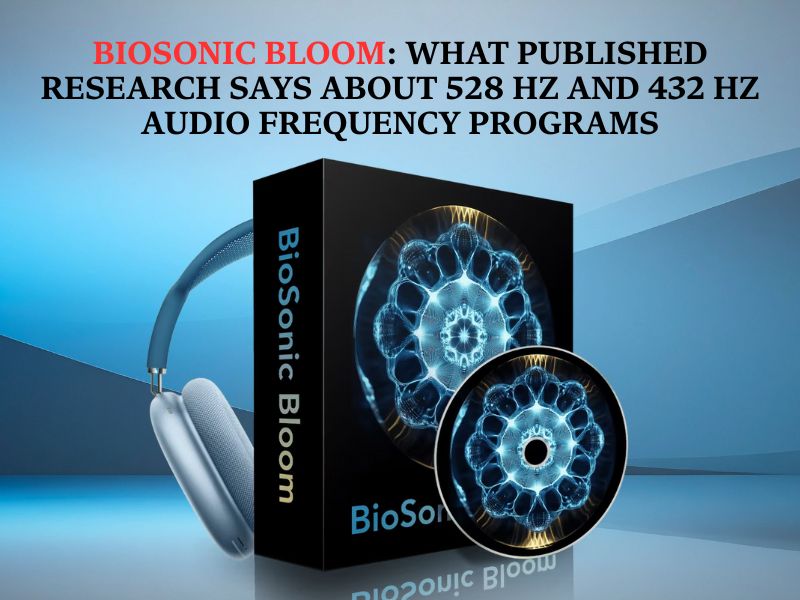
This analysis examines what BioSonic Bloom offers, the current research landscape surrounding its core frequencies, and considerations for those evaluating whether audio frequency programs align with their personal interests.
View the current BioSonic Bloom offer
Examining Published Research on Sound Frequencies
Before evaluating any specific audio program, understanding the current state of published research provides important context.
528 Hz Frequency Research
The 528 Hz frequency has been examined in several peer-reviewed studies exploring responses to sound exposure:
A 2018 study published in the journal Health by researchers Akimoto, Hu, Yamaguchi, and Kobayashi examined participants exposed to 528 Hz tones. According to this research, the study explored potential relationships between frequency exposure and certain physiological markers under controlled laboratory conditions.
Research published in Genes and Genomics (2018) by Daylari and colleagues examined sound waves at 528 Hz frequency in laboratory settings. The researchers reported observations regarding biological markers, though the study authors noted limitations in extrapolating findings.
A 2017 study in the Journal of Addiction Research and Therapy by Babayi and Riazi explored the effects of 528 Hz sound waves on cell cultures in controlled laboratory environments.
A 2024 study published in Revista Electronica de Veterinaria examined 528 Hz exposure and self-reported anxiety measures in a small participant sample. The researchers reported differences between experimental and control groups while noting the preliminary nature of findings.
432 Hz Frequency Research
The 432 Hz frequency has also been examined in clinical research settings:
A double-blind pilot study published in Acta Bio Medica (2020) by Calamassi and colleagues compared music tuned to 432 Hz versus 440 Hz. According to this research, participants reported subjective differences between the two tuning frequencies, with researchers noting the need for larger-scale studies.
Research published in Frontiers in Public Health (2022) examined individuals who listened to music at 432 Hz versus 440 Hz. The study explored relationships between frequency exposure and certain physiological measurements under controlled conditions.
A clinical study published in the Journal of Clinical and Diagnostic Research (2020) examined participants exposed to 432 Hz music in a dental setting. Researchers measured salivary cortisol levels and reported observations while acknowledging study limitations.
Binaural Beats Research
Binaural beats—created when slightly different frequencies are presented to each ear—have been studied more extensively:
A meta-analysis published in Psychological Research (2019) by Garcia-Argibay and colleagues examined multiple studies on binaural beat exposure. According to this meta-analysis, findings varied across studies, with researchers noting that outcomes appeared to depend on frequency used, exposure duration, and timing protocols.
A systematic review published in PLOS ONE (2023) examined research on binaural beat stimulation. The reviewers noted considerable methodological heterogeneity across studies, concluding that while research spans approximately fifteen years across multiple institutions, standardized protocols have not been established.
Research published in Healthcare (2024) examined binaural beats in specific clinical contexts, noting that while some studies showed differences between experimental and control groups, further research is needed regarding optimal protocols.
What BioSonic Bloom Offers
According to the company's website, BioSonic Bloom is a structured digital audio format that the company states is organized around specific sound frequencies commonly discussed in academic and wellness research.
Program Components
Per the company's published materials:
Audio Format: Digital audio tracks incorporating 528 Hz and 432 Hz frequencies with binaural beat elements.
Listening Duration: According to the company, the suggested listening duration is 30 minutes per session.
Digital Delivery: The program is delivered as downloadable digital files accessible from various devices.
Additional Materials: According to the company website, purchasers receive supplementary audio content.
Availability Information
According to the company's publicly available website, the digital program is currently listed at a one-time purchase price. Pricing, availability, and policies are subject to change and should be confirmed directly on the official website before making any purchase decision.
View the current BioSonic Bloom offer
Evaluating Audio Frequency Programs: Considerations
For those exploring audio-based practices, several factors warrant consideration when evaluating any program in this category.
This Category May Interest Individuals Who:
Are Exploring Relaxation-Oriented Practices: Those interested in audio-based approaches to relaxation and mindfulness may find frequency programs one option among many to explore.
Have Interest in Sound-Based Research: Individuals who follow developments in sound frequency research may find programs incorporating studied frequencies relevant to their interests.
Prefer Structured Listening Formats: For those who prefer curated audio content rather than searching across various platforms, structured programs offer organizational convenience.
Prefer Digital Accessibility: The digital delivery format may appeal to those seeking portable, device-accessible audio content.
Approach with Exploratory Expectations: Those who understand that research in this area continues to develop—rather than offering definitive conclusions—may approach such programs with appropriate perspective.
Alternative Approaches May Suit Individuals Who:
Prioritize Extensively Validated Approaches: Those seeking practices with extensive clinical validation and established protocols may find the current research landscape in this area insufficient for their preferences.
Experience Significant Stress or Mental Health Concerns: Individuals dealing with significant concerns should prioritize working with qualified professionals rather than relying on audio programs.
Expect Specific Guaranteed Outcomes: Audio frequency programs, like most wellness-oriented products, produce varying subjective experiences across different individuals.
Prefer No-Cost Options: Various frequency audio content is available at no cost on platforms such as YouTube and Spotify. Those prioritizing cost considerations may prefer exploring freely available options.
Questions for Personal Evaluation
Before exploring any audio-based program, consider:
- Am I approaching this as an exploratory interest rather than seeking a specific outcome?
- Am I comfortable with research that is developing rather than conclusive?
- Do I have realistic expectations about subjective listening experiences?
- Have I consulted with appropriate professionals regarding any significant concerns?
Honest reflection on these questions can help determine alignment with individual circumstances.
Understanding Research Context and Limitations
Responsible evaluation requires acknowledging what current research does and does not establish:
What Published Research Examines:
- Specific frequencies including 528 Hz and 432 Hz have been subjects of peer-reviewed studies
- Some studies report observations regarding physiological markers and self-reported measures
- Binaural beats have been examined across multiple research institutions over approximately fifteen years
- Several studies explore potential relationships between frequency exposure and relaxation-related measures
What Research Has Not Established:
- Large-scale clinical trials with extensive participant populations
- Standardized protocols for optimal frequency, duration, and application
- Long-term outcome studies
- Mechanisms fully explaining observed phenomena
- Definitive conclusions regarding efficacy for specific applications
According to a systematic review published in PLOS ONE (2023), researchers noted considerable methodological heterogeneity across studies in this field. The reviewers observed that while frequency-based audio stimulation has been researched for nearly two decades, the research landscape continues to develop.
This context is important: published research exists and explores interesting questions, but definitive conclusions have not been established.
Approaching Audio Frequency Programs Thoughtfully
For those interested in exploring audio frequency programs, a measured approach may be helpful:
Maintain Appropriate Perspective: View audio frequency programs as exploratory practices rather than established interventions.
Continue Professional Relationships: Audio programs should not replace professional care. Continue working with qualified providers for any health-related concerns.
Allow Adequate Exploration Time: Subjective experiences with audio-based practices may develop over time rather than immediately.
Note Personal Responses: Individual responses vary. Personal observation over time may help evaluate subjective value.
Verify Current Information: Availability, pricing, and terms change. Always confirm current details on official websites before any purchase.
View current BioSonic Bloom information
The Audio Frequency Category Landscape
BioSonic Bloom operates within a broader category of audio-based programs. Understanding available options provides useful context:
Freely Available Content: Platforms like YouTube and Spotify offer extensive 528 Hz, 432 Hz, and binaural beat content at no cost. These options provide accessible exploration without financial commitment.
Meditation Applications: Applications such as Calm, Headspace, and Insight Timer incorporate various audio elements within broader program offerings.
Structured Frequency Programs: Several commercial programs focus specifically on frequency-based audio, with varying formats and included content.
Professional Sound Therapy: Licensed practitioners offer in-person sessions using various instruments and tools.
Each approach offers different characteristics regarding cost, convenience, curation, and professional guidance. Individual preferences and priorities determine which approach makes most sense for specific circumstances.
Summary Considerations
BioSonic Bloom represents one option within the category of audio frequency programs. Its incorporation of 528 Hz and 432 Hz frequencies—both of which have been examined in peer-reviewed research—provides context that distinguishes structured programs from offerings without any research foundation.
Simultaneously, responsible evaluation acknowledges that research in this area continues to develop. Published studies explore interesting questions and report various observations, but standardized protocols and definitive conclusions have not been established.
For individuals interested in exploring audio frequency programs as one element of broader relaxation-oriented practices—with exploratory expectations and continued engagement with appropriate professionals as needed—programs like BioSonic Bloom represent one structured option available for consideration.
Those evaluating this or any audio frequency program should verify current availability and terms directly with the company, maintain realistic expectations, and prioritize working with qualified professionals for any significant concerns.
View current BioSonic Bloom availability
Contact Information
For questions regarding BioSonic Bloom, according to the company's publicly available information:
BioSonic Bloom Email: support@biosonicbloom.com Address: 285 Northeast Ave, Tallmadge, Ohio 44278
Payment Processing (ClickBank) Email: support@clickbank.com Phone (US): +1 800-390-6035 Phone (International): +1 208-345-4245 Address: 1444 S. Entertainment Ave, Suite 410, Boise, Idaho 83709 USA
Disclaimers
Content Disclaimer: This article is for informational and educational purposes only. The information presented does not constitute medical, psychological, or professional health advice. Audio frequency programs are not intended to diagnose, treat, cure, or prevent any disease or medical condition. Always consult qualified healthcare professionals before beginning any new practice, especially if you have existing health conditions or concerns.
Research Context Disclaimer: The scientific studies referenced in this article represent published research in this field. Research on audio frequencies continues to develop. The cited studies have various sample sizes, methodologies, and limitations acknowledged by their authors. Readers interested in the research should review original study publications for complete methodology and findings. The presence of published research does not constitute proof of efficacy for any specific commercial product or application.
Individual Experience Disclaimer: Individual experiences with audio frequency programs vary significantly based on numerous factors. Subjective responses differ across individuals. No specific outcomes are promised, implied, or guaranteed.
Affiliate Disclosure: This article contains affiliate links. If you purchase through these links, a commission may be earned at no additional cost to you. This compensation does not influence the accuracy, neutrality, or integrity of the information presented. All descriptions are based on published research and publicly available information from the company's official website.
Pricing and Availability Disclaimer: All availability information mentioned was based on publicly available information at the time of publication (December 2025) and is subject to change without notice. Always verify current pricing, terms, and conditions on the official website before making any purchase decision.
Publisher Responsibility Disclaimer: The publisher of this article has made reasonable efforts to ensure accuracy based on available published research and publicly available company information. We do not accept responsibility for errors, omissions, changes in company offerings, or outcomes resulting from the use of information provided. Readers are encouraged to conduct independent research and verification before making decisions.
Publication Date: December 2025

Email: support@biosonicbloom.com
Email: support@clickbank.com
Phone (US): +1 800-390-6035
Phone (International): +1 208-345-4245