
How to Build a Daily-Driven Ford Overlanding Truck That Is Ready for Missouri Trails
O'Fallon, United States - January 6, 2026 / Axleboy Offroad /
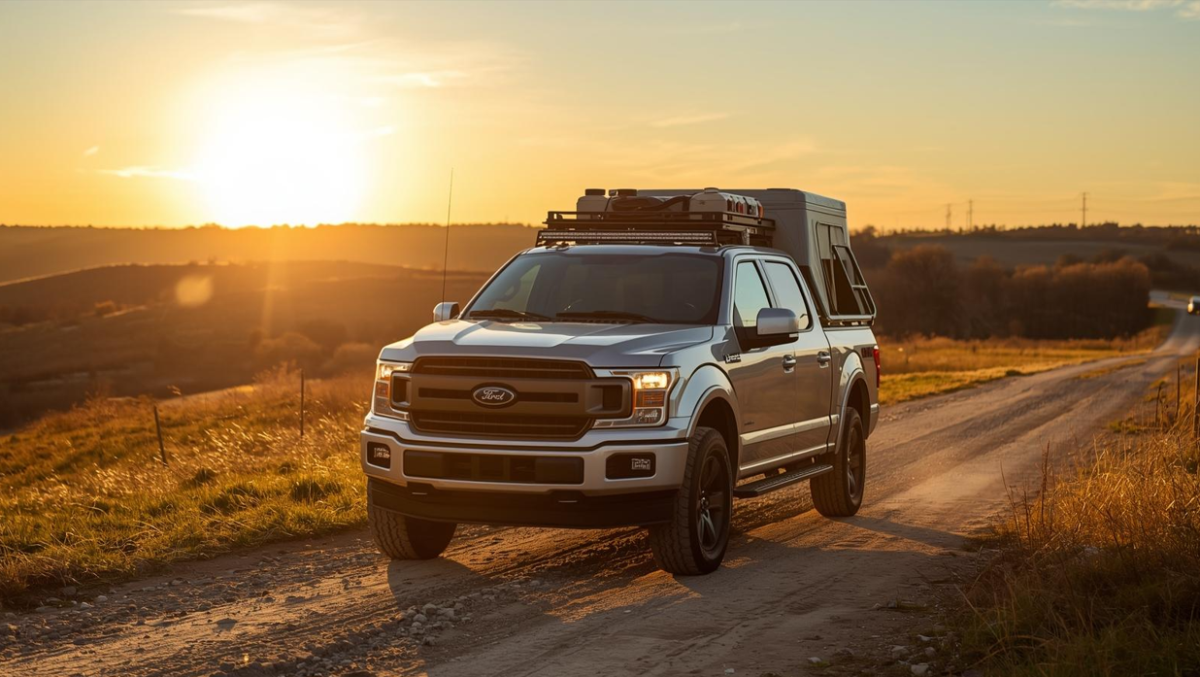
A Ford truck loaded with camping gear, recovery tools, and supplies for the weekend promises freedom. Rivers, trails, fishing spots, and quiet campsites across Missouri are easier to reach when a truck is set up correctly. The problem is that overlanding builds often go wrong before the first trip even starts. Too much weight, poorly chosen gear, and mismatched upgrades turn capable Ford trucks into sluggish, noisy, and unreliable vehicles.
For owners researching Overlanding options for a Ford F-150, F-250, or F-350, the most important goal is reliability. Overlanding is not about stacking gear. It is about creating a balanced truck that drives comfortably every day and performs confidently when pavement ends.
This guide explains how Ford trucks can be upgraded for overlanding without sacrificing drivability. It focuses on real-world use across Missouri terrain and highlights which upgrades matter most and which ones often cause problems.
Why Ford Trucks Make Excellent Overlanding Platforms
Ford trucks offer a strong starting point for overlanding. Payload capacity, wheelbase options, interior space, and proven drivetrains make them well suited for long trips and mixed terrain. Whether it is an F-150 used as a daily driver or a Super Duty hauling heavier gear, the platform is capable.
Problems usually begin when upgrades are chosen based on appearance or trends instead of function. Excess weight reduces fuel economy and strains suspension components. Universal racks create wind noise. Poor storage leads to clutter and frustration on the trail.
A good overlanding build starts by defining how the truck will actually be used. Weekend trips, extended camping, fishing access, and light trails require a different setup than full expedition travel. Most Missouri-based overlanding does not require extreme modifications. It requires thoughtful ones.
Common Overlanding Mistakes That Hurt Performance
Many overlanding builds suffer from the same issues. Understanding them helps avoid wasted money and frustration.
Overloaded suspension is one of the most common problems. Adding racks, tents, storage boxes, water, and tools quickly exceeds factory spring capacity. The result is sagging, poor handling, and reduced braking performance.
Poor gear organization creates noise and slows setup and teardown. Loose gear shifts during driving and becomes difficult to access when needed most.
Inadequate lighting limits visibility on trails and around camp. Poor wiring leads to flickering lights and electrical issues.
Unreliable power systems cause dead batteries and limit the use of refrigerators, lights, and devices.
Excess wind noise from universal racks makes highway driving unpleasant and increases fatigue.
Too much gear for actual use adds weight without adding value. Many trucks carry equipment that never gets used.
Avoiding these problems starts with a clear plan.
The Importance of Weight Management in Overlanding Builds
Weight is the enemy of reliability. Every pound added affects suspension, braking, fuel economy, and driveline components.
Ford trucks are designed to carry weight, but that does not mean weight should be added without purpose. Overlanding gear should earn its place.
Load-appropriate suspension upgrades are critical once gear is added. Springs and shocks must match the actual weight of the build. Heavy-duty shocks help control motion and prevent bottoming out on rough roads.
Ignoring suspension upgrades while adding weight leads to poor ride quality and premature wear. Addressing suspension early keeps the truck stable and comfortable.
Modular Bed Rack Systems That Actually Work
Bed racks are one of the most common overlanding upgrades. They provide mounting space for tents, gear, and accessories. The problem is that many racks are designed for looks rather than function.
Modular bed rack systems offer flexibility. They allow height adjustments, removable components, and compatibility with bed covers. This is important for daily drivers that need to haul cargo during the week and explore on weekends.
A well-designed rack minimizes wind noise and maintains access to the bed. It also distributes weight evenly to avoid stressing mounting points.
Universal racks often create noise and limit flexibility. Modular systems are better suited for real use.
Smart Gear Storage and Organization
Overlanding gear should be secure, accessible, and protected. Lockable storage systems keep tools and supplies safe while reducing clutter.
Drawer systems, bed-mounted storage, and modular cases help organize equipment. Good organization speeds up camp setup and reduces stress on the trail.
Interior storage should not block visibility or passenger comfort. Exterior storage should be weather-resistant and secure.
The goal is simple. Gear should be easy to reach and stay quiet while driving.
Suspension and Shocks for Overlanding Reliability
Suspension upgrades for overlanding are not about lift height. They are about control and load management.
Load-appropriate springs prevent sag when gear is added. Heavy-duty shocks manage added mass and keep tires in contact with the ground on uneven surfaces.
Over-springing a truck creates a harsh ride when unloaded. Under-springing leads to instability when loaded. Matching suspension components to actual use is key.
Proper suspension tuning preserves comfort on highways and control on trails.
Lighting That Improves Safety and Campsite Use
Lighting upgrades serve two purposes. Visibility on trails and functionality around camp.
Auxiliary lighting should be placed thoughtfully to avoid glare and unnecessary draw. Quality wiring and proper switching prevent electrical issues.
Camp lighting should be soft and practical. Bright floodlights are useful for trail driving but not always ideal at camp.
Integrated lighting solutions reduce clutter and improve reliability.
Power Systems That Support Overlanding Gear
Modern overlanding relies on power. Refrigerators, lights, communication devices, and air compressors all require electricity.
Portable power stations and dual-battery setups provide reliable energy without risking a dead starting battery. The right solution depends on usage length and power demands.
Poor power planning leads to frustration and limits trip length. Reliable systems support longer stays and greater comfort.
Recovery Gear Essentials Without Overkill
Recovery gear is insurance. It should be present but not excessive.
Basic recovery tools include straps, shackles, traction boards, and a reliable air system. On-board air simplifies tire pressure management and recovery.
Heavy winches and extreme gear are often unnecessary for Missouri terrain and add weight. Choosing appropriate recovery tools keeps the truck lighter and easier to manage.
Daily Driving Still Matters
Most Ford overlanding trucks are daily drivers. That reality should guide every upgrade decision.
Ride quality, noise levels, visibility, and fuel economy affect daily enjoyment. A truck that is unpleasant to drive will not get used as intended.
Balanced builds preserve factory-like drivability while adding capability. That balance is what separates reliable adventure rigs from overbuilt projects.
For owners looking for Overlanding guidance in the region, this Overlanding location serves as a reference point for properly planned builds.
Matching Overlanding Upgrades to Missouri Terrain
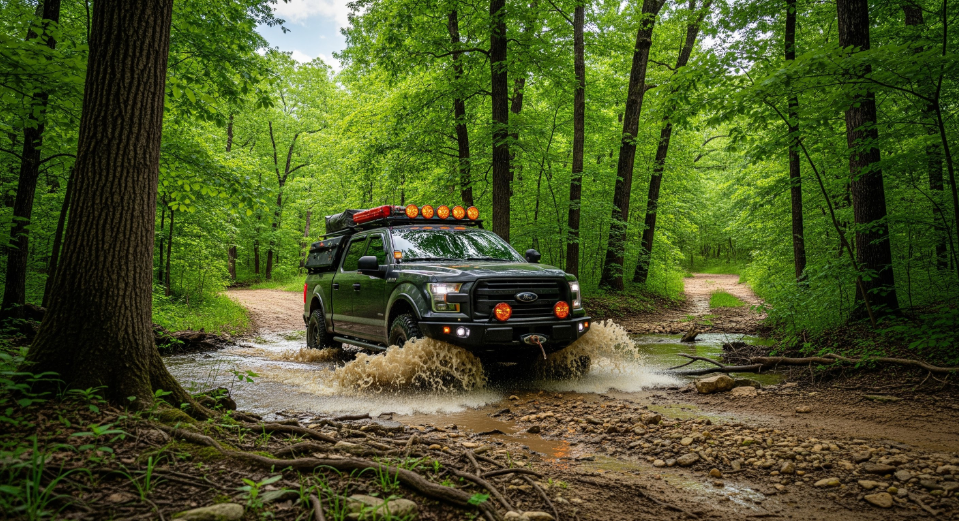
Missouri terrain includes gravel roads, muddy access points, forest trails, and seasonal weather changes. Extreme rock crawling setups are rarely necessary.
Traction, clearance, and stability matter more than extreme height. Reliable suspension, quality tires, and smart gear choices perform better than heavy, complicated setups.
Understanding local terrain prevents unnecessary modifications and keeps trucks efficient.
Why Planning Beats Buying Everything at Once
Overlanding builds work best when upgrades are staged. Start with essentials. Add gear based on actual experience.
Buying everything at once often leads to regret and rework. Planning allows owners to learn what they actually need.
Balanced builds evolve over time and stay reliable.
For owners exploring overlanding categories and components, this Overlanding resource provides a broader look at equipment and planning considerations.
About Axleboy Offroad
Axleboy Offroad is a custom 4x4 outfitter serving the St. Louis region with a focus on reliable, purpose-driven builds. The shop specializes in tailoring overlanding and off-road upgrades to how vehicles are actually used.
With factory-trained technicians and dealer-level tools, Axleboy Offroad handles complete builds and maintenance in-house. Performance upgrades are backed by a 12 month or 12,000 mile warranty, reinforcing a commitment to quality and long-term performance.
The approach emphasizes guidance, honesty, and confidence in getting builds right the first time.

Contact Information:
Axleboy Offroad
1935 E Terra Ln
O'Fallon, MO 63366
United States
Contact Axleboy Offroad
(636) 939-5337
http://axleboy.com/


