
Gilbert, AZ, plumbers explain backflow and the importance of regular backflow testing.
Gilbert, United States - April 28, 2026 / Second Opinion Plumbing /
The Importance of Backflow Prevention and Testing
Modern plumbing is designed to carry clean water in one direction and wastewater away from fixtures and appliances. When that balance fails, contaminated liquid can slip back into supply lines and spread through faucets, irrigation systems, or hose bibs. Backflow prevention focuses on stopping that reversal with properly selected and installed backflow preventers, along with regular inspections. Consistent backflow testing confirms that each backflow device still seals as designed, catches hidden wear before it becomes a hazard, and offers valuable insight into overall plumbing conditions. The sections below explain the basics of backflow, outline what happens during a backflow test, and highlight the broader benefits that routine testing provides for health, safety, and property protection.
What Is Backflow?
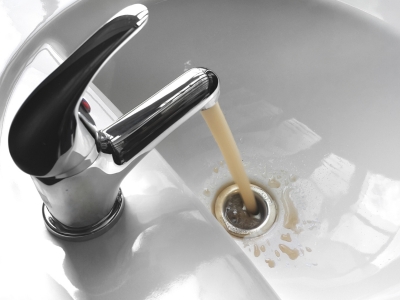 Backflow is the unwanted reversal of water flow in a plumbing system. Instead of moving from clean supply pipes toward fixtures, water shifts backward because of sudden pressure loss, pump failures, or pressure spikes in connected lines. When that happens, contaminated water from irrigation systems, pools, boilers, or industrial equipment can mix with drinking water. This type of water contamination may carry fertilizers, chemicals, bacteria, or other harmful substances. Without reliable backflow prevention devices, pollutants from a single property can travel past the water meter and enter neighboring lines, turning a localized problem into a community concern. Backflow preventers act as check valves or specialized assemblies that automatically block reverse flow when pressure conditions change, helping keep potable water separate from potential pollutants.
What Is Backflow Testing?
Backflow testing is a step‑by‑step inspection that verifies whether a backflow device still operates properly under changing pressures. A certified tester connects gauges to the assembly, measures opening and closing points, and checks that internal check valves and relief valves seal tightly. During a backflow test, the technician also looks for corrosion, debris, or misaligned components that could interfere with correct operation. Annual backflow testing is recommended because springs, seals, and moving parts inside backflow preventers can wear out or become fouled over time. Regular tests document performance, ensure compliance with local codes, and identify assemblies that need cleaning, repair, or replacement before an actual backflow incident occurs.
The Importance of Routine Backflow Testing
 Routine testing of backflow prevention devices offers multiple layers of protection. First, it confirms that each assembly truly blocks reverse flow instead of relying on appearances. Second, it helps prevent damage to the plumbing system by revealing excessive pressure, water hammer, or debris that might shorten the lifespan of valves and fixtures. Third, it reduces the risk of water contamination that could introduce harmful substances into drinking water inside a building or beyond the property line.
By maintaining functional backflow preventers, property owners help safeguard public health, since contaminated water has the potential to contribute to illness outbreaks. Consistent backflow testing, therefore, supports safety and the reliability of the municipal water network.
About Second Opinion Plumbing
Second Opinion Plumbing is an award-winning plumbing contractor providing a wide range of plumbing solutions throughout Gilbert and the neighboring areas. They offer experienced plumbers and transparent, affordable pricing on every project. Call them today to schedule backflow prevention in Gilbert, AZ.


Contact Information:
Second Opinion Plumbing
410 E Scott Ave
Gilbert, AZ 85234
United States
Brian Brooks
(480) 365-9555
https://secondopinionplumbingaz.com/
