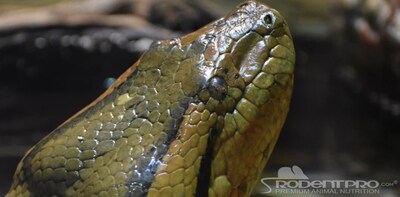
RodentPro.com® Weigh In on Newly Discovered Northern Green Anaconda: What It Means for Snake Enthusiasts and Handlers
PR Newswire
EVANSVILLE, Ind., May 19, 2026
Industry Leader Shares Insights on a Landmark Herpetological Discovery and Its Implications for the Reptile-Keeping Community
EVANSVILLE, Ind., May 19, 2026 /PRNewswire-PRWeb/ -- RodentPro.com®, the industry leader in premium-quality animal nutrition and supplies since 1993, is sharing its perspective on a major shift in reptile science: the identification of the Northern Green Anaconda (Eunectes akayima) as a species all its own.
For decades, the green anaconda was treated as one single species. However, new genetic research has confirmed that populations north of the Amazon Basin are actually a separate lineage. This isn't just a win for biology; it's a discovery that has reptile keepers, breeders, and zoo professionals rethinking how we approach the care of these massive constrictors.
"Good husbandry starts with truly knowing the animal in your care," said the RodentPro.com team. "A discovery like this is exciting because it challenges us to look closer at everything, from nutrition and enclosure size to specific breeding habits. As more data comes in, we want to make sure our community has the tools to adapt."
The Science Behind the Split
The data shows a 5.5% genetic difference between the Northern and Southern lineages. To put that in context, humans and chimpanzees only differ by about 2.2%. That is a massive biological gap for two animals that look so similar to the naked eye.
Scientists believe these two species went their separate ways roughly 10 million years ago. While they are hard to tell apart at a glance, the Northern Green Anaconda tends to be darker in color, and some researchers believe it may actually grow even larger than its southern cousin.
What This Means for Keepers
For those working with these animals every day, this news is more than just a headline. It has real-world consequences for how they are managed:
- Feeding and Growth: If the Northern species truly reaches a larger maximum size, handlers will need to adjust metabolic expectations and prey-size requirements over the animal's lifespan.
- Habitat and Environmental Needs: Different lineages often evolve to handle different environmental stressors. Pinpointing these nuances is the key to long-term health and successful captive breeding.
- Conservation and Captive Breeding: You can't protect a species if you don't know it exists. Accurate identification is vital for keeping captive genetics clean and supporting global conservation efforts.
A New Frontier in Herpetology
"There's still a lot we don't know about some of the world's largest reptiles," said the RodentPro.com team. "That's what makes discoveries like this so interesting for the reptile community. As scientists learn more about these animals, keepers and handlers will likely continue refining how they care for them."
To see the full breakdown of the Northern Green Anaconda and why it has the reptile world talking, check out the latest article at RodentPro.com.
Media Contact
Justin Rickenbaugh, RodentPro, 1 1 (812) 867-7598, Justin.Rickenbaugh@rodentpro.com, https://rodentpro.com/
 View original content to download multimedia:https://www.prweb.com/releases/rodentprocom-weigh-in-on-newly-discovered-northern-green-anaconda-what-it-means-for-snake-enthusiasts-and-handlers-302772221.html
SOURCE RodentPro

