Why CPG Brands Need Digital Asset Management
Chicago, United States - November 27, 2025 / Aprimo /
Streamlining Content Operations in a Fast-Moving Industry
CPG brands managing thousands of product images, packaging designs, and marketing materials across multiple channels need effective digital asset management.
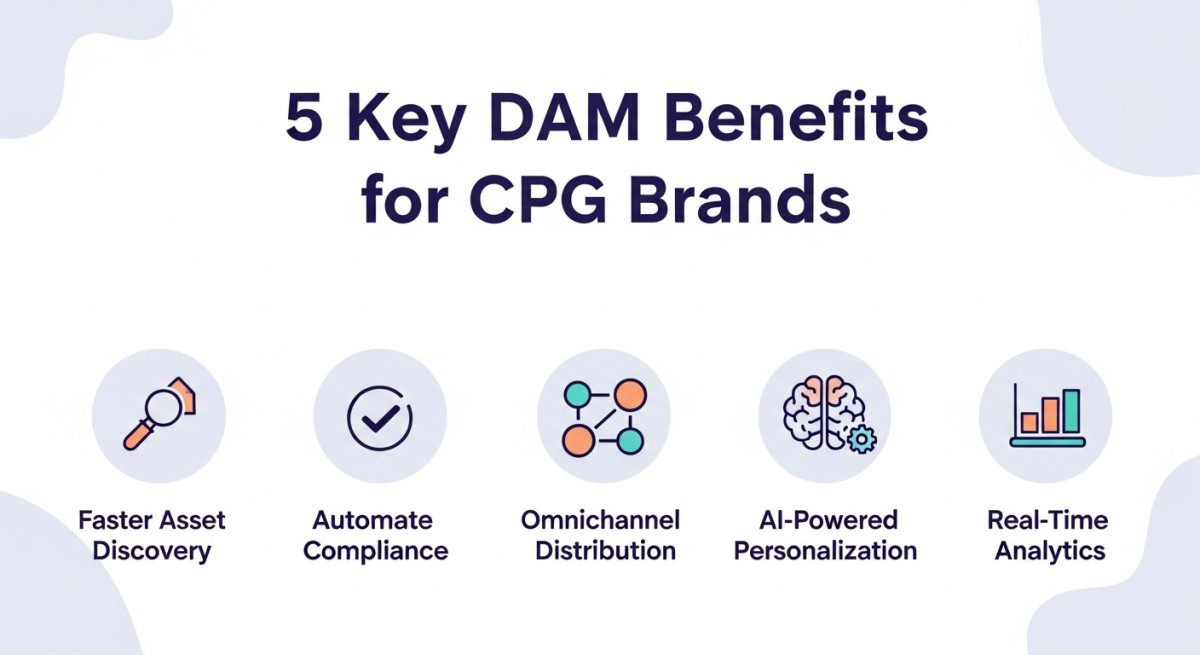
AI-powered search capabilities deliver faster asset discovery, eliminating hours spent hunting through folders and email attachments.
Automated compliance workflows ensure regulatory adherence while streamlining approval processes across global markets and product lines.
Seamless omnichannel distribution automatically generates the right formats and specifications for each retail channel and platform.
Integrated content personalization tools enable brands to create targeted variations at scale without manual recreation.
Smart DAM platforms designed for CPG operations transform chaotic content processes into streamlined, scalable systems that accelerate growth.
The consumer packaged goods industry has reached a tipping point. With CPG digital advertising spend hitting $48.79 billion and e-commerce now accounting for 25% of total CPG sales, brands are creating more content than ever. Yet most are still managing this explosion of digital assets using outdated methods that can't keep pace with demands.
CPG brands juggle thousands of product images, packaging designs, marketing videos, and campaign materials across dozens of channels. Content needs to be perfectly aligned, instantly accessible, and continuously optimized. In this environment, digital asset management for CPG brands becomes essential for survival.
What Makes Digital Asset Management for CPG Brands Different?
CPG brands face unique content challenges that set them apart from other industries. Unlike software companies or professional services, consumer packaged goods companies must manage content that spans the entire product lifecycle while meeting strict regulatory requirements.
Scale and Volume Complexity
The sheer volume of assets CPG brands create is staggering. A single product line might require hundreds of images showing different angles, sizes, and packaging variations. With seasonal campaigns, regional adaptations, and channel-specific requirements, you're looking at thousands of assets per product.

Consider a beverage company launching a new flavor. They need product shots for e-commerce, lifestyle images for social media, packaging mockups for retailers, ingredient lists for compliance, and promotional materials for different markets. Each asset must be properly categorized, easily searchable, and available to the right teams at the right time.
Regulatory and Compliance Demands
CPG brands operate in heavily regulated environments where incorrect labeling or outdated nutritional information can result in costly recalls and legal issues. Every asset must be tracked, approved, and updated according to FDA requirements, international labeling standards, and regional regulations.
Digital asset management systems designed for CPG operations include automated compliance workflows that flag potential issues before they reach market. When you're proactive about compliance, you protect your brand reputation while ensuring regulatory adherence across all markets.
Multi-Channel Distribution Requirements
CPG brands sell through traditional retail, e-commerce marketplaces, direct-to-consumer websites, and social commerce platforms. Each channel has different technical specifications, content requirements, and performance standards.
A DAM platform built for retail environments automatically generates the right image sizes, formats, and metadata for each distribution channel. Automation eliminates manual reformatting while ensuring consistent brand presentation across all touchpoints.
How Does Digital Asset Management Solve CPG Content Chaos?
Modern DAM for retail operations eliminates content bottlenecks and brings structure to brand content operations. Here's how leading CPG brands are leveraging these platforms to streamline operations and accelerate growth.
Centralized Asset Organization
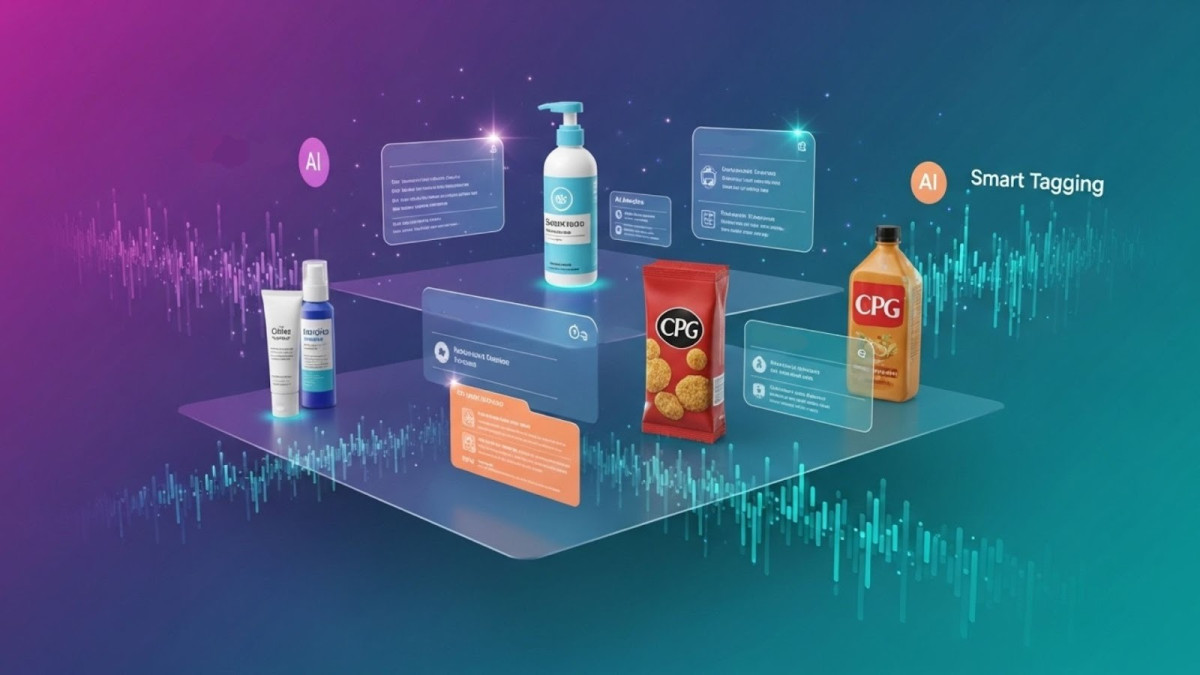
Instead of hunting through email attachments and shared drives, teams access a single source of truth for all brand assets. AI-powered tagging automatically categorizes content by product type, campaign, region, and usage rights, making everything instantly searchable.
Brand managers can find the exact product image they need in seconds. Creative teams can locate approved brand elements without recreating work that already exists. Sales teams can quickly access the latest product sheets and promotional materials for retailer presentations.
Automated Workflow Management
CPG content automation eliminates the manual handoffs that slow down campaigns and create approval snags. Automated workflows route assets through the proper approval chains, ensuring legal review for regulated claims and brand compliance for all materials.
When a product package gets updated, the system automatically notifies all relevant teams and updates distribution channels. This coordination prevents the common scenario where outdated packaging appears on e-commerce sites while new versions are in stores.
Real-Time Content Performance Insights
Digital asset management for CPG brands provides analytics showing which assets perform best across different channels. CPG companies can identify top-performing product images, optimize content based on engagement data, and make data-driven decisions about future content creation.
This intelligence helps brands understand what visual elements resonate with their target audience and replicate successful approaches across their entire product portfolio.
Which DAM Features Matter Most for CPG Brands?
Not all digital asset management systems are designed for every industry. CPG brands need capabilities that address their unique operations and market dynamics.
AI-Powered Smart Tagging and Metadata
Predictive metadata that automatically fills in product information, brand guidelines, and usage rights
Smart tag suggestions based on visual content analysis and existing taxonomy
Enhanced captioning that improves searchability across large content libraries
Content similarity detection that prevents duplicate asset creation
Advanced Search and Discovery Tools
Visual search capabilities that find similar images and related content
Faceted search options allowing filtering by product line, campaign, region, and format
Natural language search that understands queries like "summer campaign lifestyle shots"
Collection and mood board features for organizing related assets across projects
Industry-Specific Compliance Features
Automated content detection that identifies AI-generated or modified images
Digital rights management tracking usage permissions and expiration dates
Regulatory workflow automation ensuring proper approvals for health claims and nutritional information
Version control systems maintaining audit trails for compliance purposes
Omnichannel Distribution Capabilities
Dynamic asset transformation creating multiple formats and sizes automatically
Public link generation with optimized delivery for web performance
Integration connectors for e-commerce platforms, social media, and retail portals
Global content delivery networks ensuring fast loading times worldwide
Content Creation and Collaboration Tools
AI content coaching that suggests improvements based on brand guidelines
Collaborative approval workflows streamlining review processes across teams
Template systems for consistent packaging and marketing materials
Real-time commenting and feedback tools for efficient iteration
What Should CPG Brands Look for in a DAM Platform?
To find the right digital asset management solution, consider your current pain points and future growth plans. The best platforms combine powerful functionality with industry-specific features designed for CPG operations.
Scalability and Performance
Digital asset management for CPG brands should handle rapid content volume growth without performance degradation. Look for cloud-based solutions that automatically scale storage and processing power as your needs expand. The system should maintain fast search and preview capabilities even with millions of assets.
Consider platforms that offer tiered storage options, moving older assets to cost-effective archives while keeping active content readily accessible. This approach manages costs while ensuring quick access to current materials.
Integration Ecosystem
Modern CPG operations rely on multiple systems working together. Your DAM platform should integrate with existing e-commerce platforms, product information management (PIM) systems, content management systems, and creative tools.
The power of DAM for retail becomes most apparent when assets flow between systems without manual intervention. This connectivity eliminates data silos and reduces the risk of using outdated or incorrect content.
Mobile and Remote Access
With hybrid work environments and global teams, your DAM platform must provide full functionality through mobile apps and web browsers. Field sales teams need access to the latest product information and marketing materials from any location.
Look for solutions that offer offline access, allowing team members to download essential assets for use without internet connectivity. This feature is a must-have for trade shows, retail visits, and international travel.
Analytics and Reporting Capabilities
Data-driven content strategies require comprehensive analytics showing asset usage, performance metrics, and user behavior patterns. Your platform should track which assets are most requested, where they're being used, and how they're performing across different channels.
Advanced reporting helps identify content gaps, optimize storage allocation, and demonstrate the ROI of content investments. This intelligence guides future content creation decisions and budget allocations.
Vendor Support and Training
How well your implementation goes depends on vendor support and user adoption rates. Choose providers that offer comprehensive training programs, ongoing support, and regular platform updates.
The best vendors provide dedicated customer success teams that understand CPG industry requirements and can guide optimization efforts. They should offer both technical support and strategic consulting to help maximize platform value.
Frequently Asked Questions
How quickly can CPG brands implement a DAM system? Implementation timelines vary based on content volume and complexity, but most CPG brands see initial value within 3–6 weeks. Full optimization typically occurs within 3–6 months as teams adapt workflows and maximize platform capabilities.
What's the typical ROI for DAM platforms in CPG organizations? CPG brands typically see measurable returns through reduced content creation costs, faster time-to-market, and improved campaign performance. The most significant benefit comes from the improvement in time-to-find assets, which dramatically reduces the hours teams spend searching for content and allows more focus on strategic initiatives.
Can DAM platforms handle seasonal content spikes common in CPG? Modern cloud-based DAM platforms automatically scale to handle seasonal volume increases without performance issues. They're designed to manage the content surges that occur during holiday campaigns and product launch periods.
The Future of CPG Content Operations
Digital and AI transformation initiatives in the CPG sector could drive 6–10% incremental revenue growth and 3–5 percentage points of EBITDA improvement within three to five years. These gains underscore how intelligent automation and data-driven content operations are the foundation for sustained competitiveness.
Personalization capabilities will enable brands to automatically create targeted content variations for specific customer segments. Machine learning algorithms will optimize content performance in real time, adjusting distribution strategies based on engagement patterns and conversion data.
The most successful CPG brands will be those that embrace these advances while maintaining the authentic brand connections that drive consumer loyalty. Digital asset management platforms provide the foundation, enabling both operational efficiency and creative excellence.
Smart content operations powered by the right DAM platform transform CPG brands from reactive content managers into proactive market leaders. They accelerate time-to-market, reduce operational costs, and create the consistency that builds lasting brand recognition in crowded retail environments. Aprimo's AI-powered platform is specifically designed for consumer packaged goods brands looking to scale their content operations while maintaining brand excellence across all channels.


Contact Information:
Aprimo
230 W Monroe Street, Suite 1200
Chicago, IL 60606
United States
Aprimo Support
https://www.aprimo.com/
